How to Plan Slope, Runoff, and Water Flow the Right Way
Proper driveway drainage means directing water away from your home, garage, and foundation. A driveway should slope slightly so rain flows off instead of pooling. Without the right grade and runoff path, water can crack concrete, erode soil, and flood low spots. Whether you are planning new work or replacing an old surface, drainage should be part of the design from day one.
What You Need Before Starting Any Driveway Project
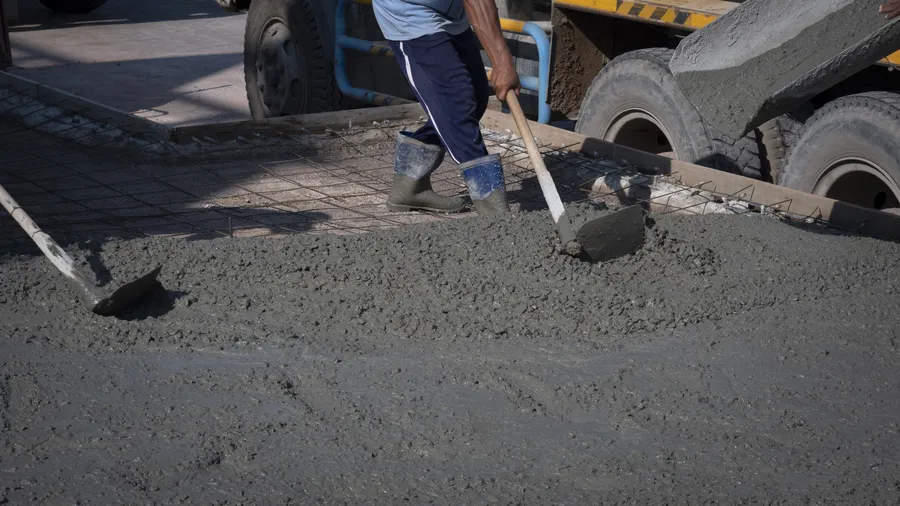
Before starting concrete driveway installation, you need to look at your property layout. Every yard is different. Some lots are flat. Others slope toward the house. You should know where water currently flows during heavy rain.
Here are a few things to check:
- The natural slope of your yard
- Low spots where water already collects
- Nearby downspouts and roof runoff
- Soil type and how fast it drains
- Local building rules about stormwater
If you skip this step, even a strong driveway can fail. Water is powerful. It will find the weakest point.
Step-by-Step: Planning Drainage for a Driveway
Good drainage is not guesswork. It follows simple rules.
- Set the right slope. A driveway should slope away from the house at about 1/8 to 1/4 inch per foot.
- Shape the base correctly. The gravel base must match the finished slope so water does not sit under the slab.
- Add proper grading around edges. Soil along the sides should guide water away, not trap it.
- Install drains if needed. Trench drains or channel drains help in flat areas.
- Plan runoff direction. Water should flow toward the street or a safe drainage area, not toward your garage.
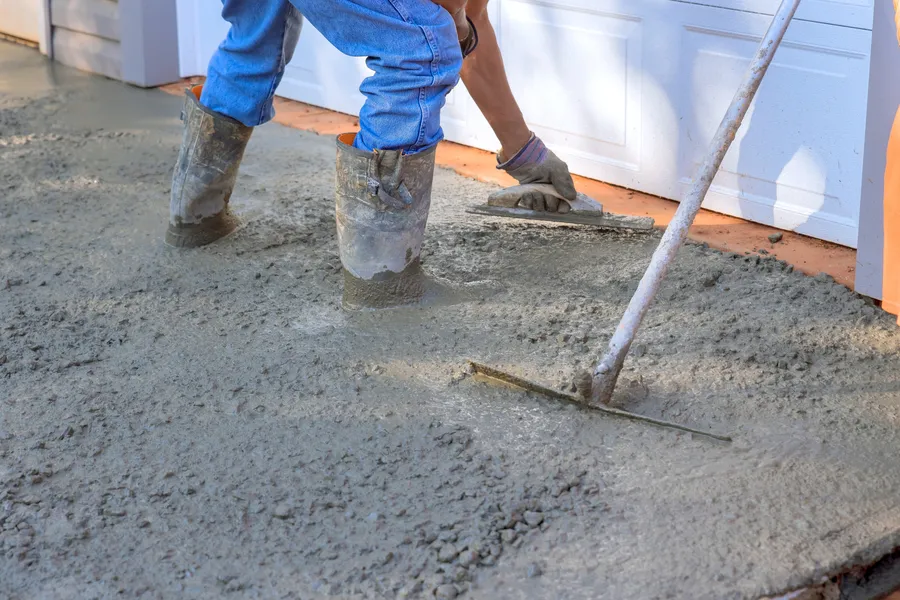
During concrete driveway installation, the grading process is just as important as pouring the concrete. A well-compacted base keeps water from washing soil out underneath.
Common Drainage Mistakes to Avoid
Many driveway problems come from small planning errors.
- Making the slope too flat
- Sloping the driveway toward the garage
- Ignoring downspout discharge areas
- Pouring concrete over poorly compacted soil
- Blocking natural drainage paths
For example, if a driveway slopes toward the garage door, even light rain can seep inside. Over time, this leads to cracks, shifting, and moisture damage.
Another mistake is thinking thicker concrete solves everything. Thickness helps strength, but if water sits under the slab, damage will still happen.
Special Considerations for Different Driveway Types
Drainage needs can change depending on the surface material. While this article focuses on concrete driveway installation, the same water control rules apply to asphalt, pavers, and other options within the broader service category.
Permeable pavers allow some water to pass through. Standard concrete does not. That means a solid slab needs careful slope planning. If you are using traditional concrete, surface runoff must be directed away clearly.
In areas with heavy rain or snow, melting ice adds even more water. Freeze and thaw cycles can make trapped water expand. This often leads to cracking. That is why correct grading matters so much in colder climates.
When You Should Call a Professional
Some drainage issues are simple. Others require expert tools and grading equipment.
You may need professional help if:
- Your yard slopes toward your home
- You already have flooding near the garage
- There are retaining walls nearby
- You need trench or channel drains installed
- You are replacing a badly cracked driveway
Proper grading takes experience. Laser levels and transit tools help create accurate slopes. During concrete driveway installation, even small measurement errors can change how water flows.
If you see standing water after storms, that is a warning sign. Water should move off the surface fairly quickly. Puddles that last more than a few hours may point to slope or base problems.
Why Drainage Should Never Be an Afterthought
A driveway is a large, hard surface. It changes how rain moves across your property. If drainage is ignored, water can damage your foundation, landscaping, and even nearby sidewalks.
Good planning protects your investment. It also reduces long-term repair costs. A properly sloped driveway can last decades with fewer issues.
If you live in Portage, IN and are planning concrete driveway installation, I can inspect your property, check the slope, and design a system that moves water away from your home. At Landscaping & Construction #2 Brothers LLC, I focus on doing the grading right the first time so you avoid future damage. Call (219) 256-3930 to talk with me directly about your driveway project.