The Best Stone and Gravel Options for a Long-Lasting Driveway Base
The most durable aggregates for driveway strength are crushed stone, gravel blends, and recycled concrete. These materials lock together, drain water well, and create a solid base that can handle heavy vehicles. When used correctly in concrete driveway installation, the right aggregate helps prevent cracks, sinking, and surface damage over time.
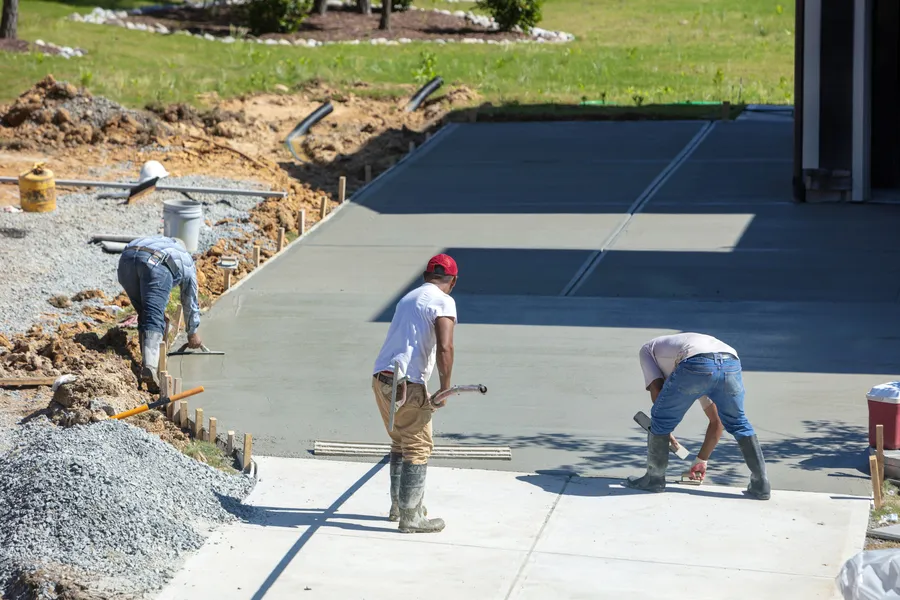
Quick Decision Answer
If you want maximum strength, crushed stone with angular edges is usually the best choice. It compacts tightly and forms a firm base. Gravel works well for lighter use, while recycled concrete is a budget-friendly option with good strength. The best pick depends on your soil type, traffic load, and budget.
Option A Vs Option B Criteria
When comparing aggregate types, look at a few key factors:
- Shape: Angular stones lock together better than round stones.
- Size: A mix of sizes packs tighter than uniform stone.
- Drainage: Good drainage reduces water damage and cracking.
- Load strength: Heavier vehicles need a stronger base.
- Cost: Some materials cost more but last longer.
In concrete driveway installation, the base layer matters just as much as the surface. Even strong concrete can fail if the aggregate beneath it shifts or holds water.
Pros and Cons of Common Aggregate Choices
Crushed Stone
- Pros: Excellent compaction, strong support, drains well
- Cons: Slightly higher cost than basic gravel
Gravel (Round Stone)
- Pros: Affordable, easy to spread
- Cons: Does not lock tightly, may shift under load
Crusher Run (Stone Dust Mix)
- Pros: Packs very tightly, smooth finish, strong base
- Cons: Can hold water if not graded correctly
Recycled Concrete Aggregate
- Pros: Eco-friendly, solid performance, cost-effective
- Cons: Quality can vary depending on source
For most residential projects, crushed stone or crusher run gives the best balance of strength and value.
Best Fit by Scenario
Not every driveway faces the same conditions. Here is how to choose based on need:
- Heavy trucks or RV parking: Use thick layers of crushed stone.
- Standard family cars: Crusher run or crushed stone blend works well.
- Soft or clay soil: Use larger crushed stone for better drainage.
- Budget-focused projects: Recycled concrete can perform well when compacted properly.
In areas with freeze-thaw cycles, drainage becomes even more important. Water expands when frozen. If it sits under your driveway, it can cause lifting and cracks. A well-chosen aggregate reduces that risk.
Mistakes People Make When Choosing
One common mistake is choosing smooth, round gravel because it looks clean. Round stone shifts under pressure. Over time, that movement weakens the driveway above it.
Another mistake is skipping proper depth. A thin base layer will not support concrete, no matter how strong the surface mix is.
Poor compaction is also a major issue. Even the best aggregate will fail if it is not compacted in layers. During concrete driveway installation, each layer should be spread evenly and compacted before adding the next.
Final Decision Checklist
Before choosing your aggregate, ask yourself:
- How heavy are the vehicles that will use the driveway?
- Does my soil drain well or hold water?
- Am I planning a simple gravel surface or full concrete driveway installation?
- Is long-term durability more important than upfront cost?
- Will the base be professionally compacted?
If you answer these questions clearly, the right material becomes much easier to choose.
Get Help Choosing the Right Aggregate
If you are planning a driveway in Portage, IN, I can help you choose the right base material for long-term strength. At Landscaping & Construction #2 Brothers LLC, I handle every concrete driveway installation with careful base preparation and proper compaction. If you want a driveway built to last, call me at (219) 256-3930 and I will be glad to talk through your project and the best aggregate option for your property.