Why Mixing Tall, Medium, and Low Plants Makes Your Yard Look Better
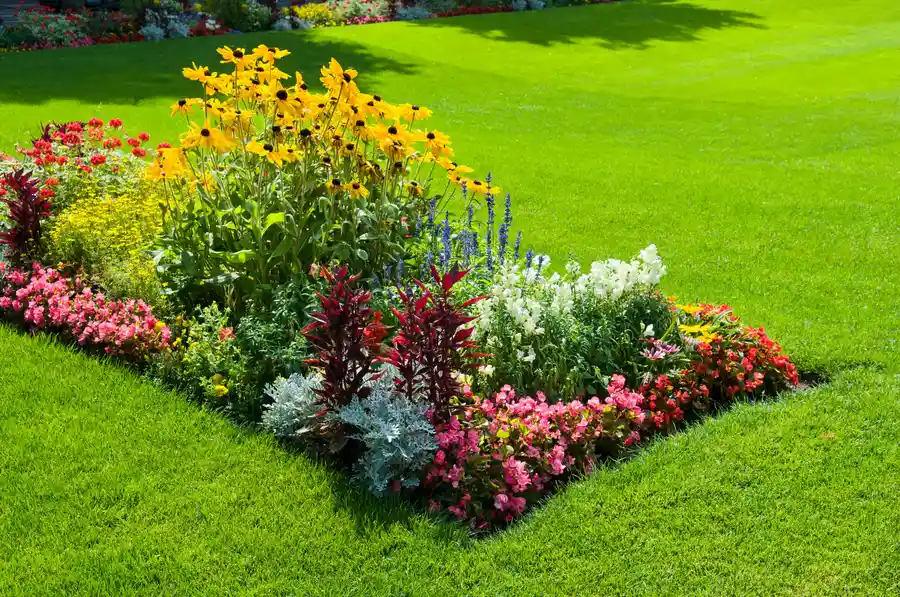
Layering plant heights means placing tall plants in the back, medium plants in the middle, and shorter plants in front. This simple method makes your yard look full, balanced, and easy on the eyes. It also helps plants grow better because each one gets the light and space it needs. In landscape design, using layers creates depth, adds color at every level, and keeps your yard from looking flat or messy.
What You Need Before You Start
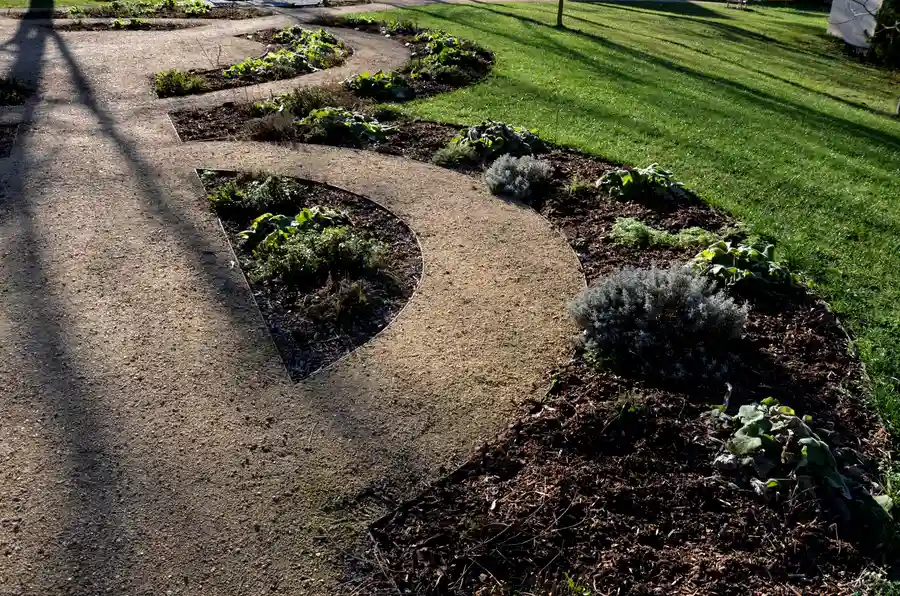
Before you begin layering plants, take a close look at your yard. Notice how much sunlight each area gets. Check the soil. Think about how much space you have. A small front yard needs a different plan than a large backyard.
You will also want to know the mature height of each plant. Many people forget this step. A small shrub at the store may grow much taller in a few years.
- Measure the planting area
- Check sun and shade patterns
- Read plant tags for full-grown height and width
- Plan for watering access
- Think about bloom times for color all season
This prep work makes your landscape design smoother and helps avoid costly changes later.
Step-by-Step: How to Layer Plant Heights
Layering is simple when you follow a clear order. Work from back to front or from the center outward if your bed is viewable on all sides.
- Start with tall anchor plants. These go in the back of beds against fences or walls. In island beds, they go in the center. Use ornamental trees, tall shrubs, or large grasses.
-
Add medium-height plants next. These plants soften the space between tall and short layers. Good choices include flowering shrubs, medium grasses, or upright perennials.
-
Finish with low-growing plants. Place groundcovers, small flowers, or border plants in the front. These define the edge and keep soil covered.
-
Repeat colors and shapes. This ties the layers together. For example, echo a tall purple plant with shorter purple blooms near the front.
- Leave space for growth. Crowded plants compete for light and air.
When done right, each layer flows into the next. Your yard will look more natural and inviting.
Common Mistakes to Avoid
Layering sounds easy, but a few mistakes can throw off the whole design.
- Planting tall shrubs in the front of a bed
- Using plants that all grow to the same height
- Ignoring how wide plants spread
- Placing sun-loving plants in shaded back rows
- Overcrowding to make the bed look full right away
Another mistake is choosing plants that bloom at the same time. When the flowers fade, the bed can look dull. Mixing bloom times keeps your landscape design lively through the seasons.
When to Call a Professional
If your yard has slopes, drainage issues, or large open areas, layering can take more planning. The same is true if you want a more detailed look with curves, stone borders, or lighting.
A professional can build a clear planting plan that fits your space. They can also suggest plants that grow well in your local soil and climate. This saves time and reduces guesswork. Many homeowners try to fix awkward plant spacing after a few years. Getting it right the first time is often easier.
Why Layering Makes a Big Difference
Flat planting makes a yard look plain. Layering adds depth, like steps flowing upward. It guides your eye from the ground up. Taller plants can frame windows or fences. Medium plants fill gaps. Low plants create a neat edge along walkways.
This method also helps with weed control. Thick layers block sunlight from reaching bare soil. More coverage means fewer weeds. Layering can even offer privacy when tall shrubs are placed along property lines.
Good landscape design is not just about picking pretty flowers. It is about placing plants in a smart order. When heights work together, the whole yard feels balanced and calm.
Get Help Designing a Layered Landscape
If you want a yard that feels balanced and full in Portage, IN, I can help you plan it the right way. At Landscaping & Construction #2 Brothers LLC, I focus on simple, smart landscape design that fits your space and your budget. I will walk your property myself and suggest plant layers that grow well in our area. Call me at (219) 256-3930 and I will help you build a yard you will enjoy every day.